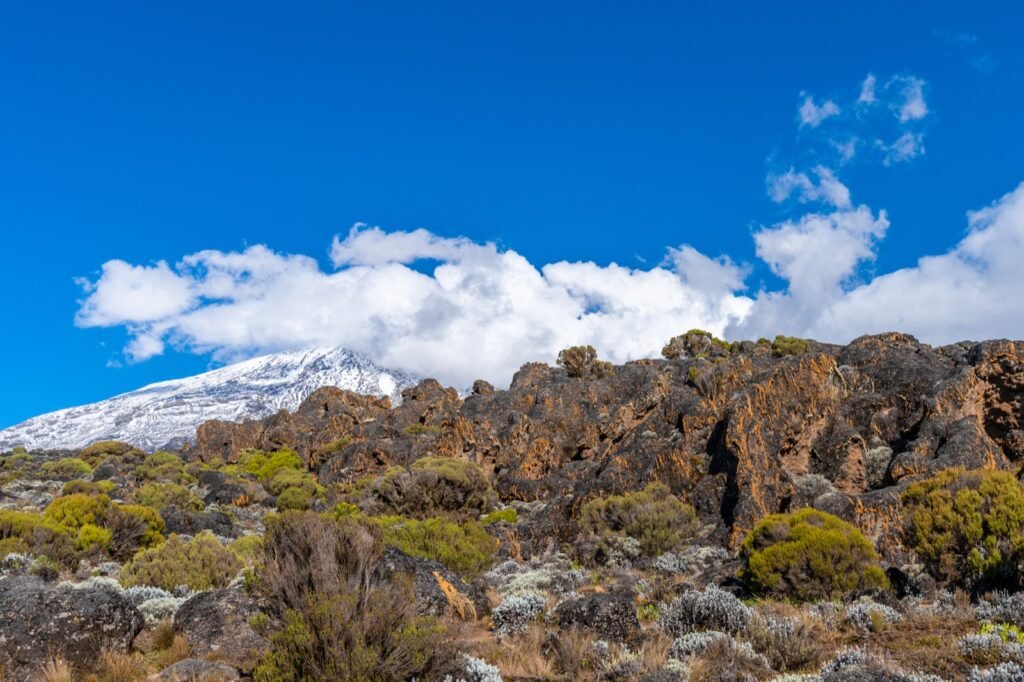
Every route on Kilimanjaro ends at the same place: Uhuru Peak, 5,895 m. What changes is how quickly you get there, how crowded the trail is, and where you sleep. Those three things decide most of your experience, and your chance of reaching the top.
Start with the number of days
The single biggest factor in summit success is time to acclimatise. Routes of seven days or more give your body room to adjust, and success rates rise sharply from six days to eight. If you can spare the extra day, take it.
- 8–9 days: Lemosho and the Northern Circuit. Highest success, quiet trails, the best scenery.
- 7 days: Machame and Rongai. A good balance of time, cost and acclimatisation.
- 6 days: Marangu. The only route with huts instead of tents.
Then think about the trail itself
Machame is the most popular route for good reason: big views, varied scenery and the famous Barranco Wall scramble. That popularity also means busy camps in high season. Lemosho starts on the remote western side and joins Machame later, so you get the quiet first days and the same summit approach.
Rongai climbs from the north, close to the Kenyan border. It is drier, which makes it a good choice in the rainy months of April and May, and it sees far fewer climbers.
Huts or tents?
If you would rather not camp, Marangu is your only option. The huts are basic dormitories, but they are dry and you sleep on a mattress. The trade-off is a shorter itinerary, so we recommend adding the optional acclimatisation day at Horombo.
Not sure? Take our three-question route quiz on the home page, or ask Neema. She has climbed every route more than once.